
Capabilities
From flight hardware to cloud-native platforms, we deliver the engineering and systems supporting NASA's most demanding missions.
Systems We've Built with NASA
Operational systems designed and built by MRI — running in production, serving NASA missions today.
Luna Platform
MRI designed and built Luna as a cloud platform on Google Cloud—operating under full CUI/ITAR authorization—featuring federated identity, zero-trust architecture, AI services, and on-demand API-driven HPC for NASA. Luna's container supply chain uses Chainguard zero-CVE base images, continuous vulnerability scanning across all clusters, and automated remediation pipelines. The platform enables secure internal and external collaboration around cloud-native systems at NASA's most sensitive data classification levels.
Luna's AI services layer provides secure access to commercial large language models within CUI/ITAR-authorized environments. MRI built production AI agents to accelerate and support human spaceflight safety reviews—going from whiteboard concept to inclusion in NASA's Artemis 2 Flight Readiness Review in four months. Serving as an advanced decision-support tool, these agents analyze thousands of pages of technical documentation, cross-reference historical mission data, and generate on-demand safety reporting and visualizations for mission stakeholders.
Luna's federated identity layer enables commercial aerospace partners to authenticate into NASA's data, AI, and simulation environments using their existing corporate credentials. Partners can also provision OIDC clients to federate authentication back to their own platforms. This model supports secure cross-organizational collaboration under zero-trust principles, reducing partner onboarding from weeks to days. The platform has attracted direct industry investment to expand capabilities, and major prime contractors have onboarded to the system.
AppDat
MRI built AppDat as NASA's agency-wide software factory: a zero-trust, cloud-native DevSecOps platform serving 5,000+ users across 15+ mission programs at multiple centers. What started as a $27.5K innovation grant in 2019 now hosts some of NASA's most critical systems. Every deployment is defined as code, secured by automated pipelines, and covered by a NASA-issued ATO.
NASA's zero-trust software factory for mission-critical cloud systems.

MRI grew a $27.5K innovation grant into the DevSecOps backbone powering NASA science, EVA operations, and ISS telemetry sharing across commercial and international partners.
COSMIC
COSMIC is the operations platform MRI designed, built, and operates for NASA Johnson Space Center. Originally developed in 2015 as the inventory and configuration management system for JSC's Crew and Thermal Systems Division, it has grown into the center's next-generation work authorizing document platform, keeping flight hardware tracked, critical documents controlled, and test procedures running for programs that support human spaceflight.
Digital safety and compliance tracking for high-consequence operations.
COSMIC is gaining strong interest from the NASA prime contractor community, with multiple primes supporting their own COSMIC instances to integrate into their spacecraft digital engineering ecosystems.
NTRS / STRIVES
MRI modernized NASA's public science and technical information portal, now serving 50M+ API requests per month with full-text search and direct download. MRI also built the peer-review submission and curation system that accelerates dissemination of NASA's most critical knowledge assets.
Large-scale document management, search, and video archival for institutional knowledge preservation.
NTRS has served as a critical hosting data resource for Frontier AI models, adding to recall of the diverse observations MRI delivered through the STRIVES submission system.
Aerospace Engineering Disciplines
Engineering rigor built for spaceflight, applied wherever failure is not an option.
The technical practices and capabilities MRI brings to every engagement, refined across a decade of designing, fabricating, testing, and certifying flight hardware for NASA's most demanding programs.
AI & Intelligent Systems
MRI designs and deploys AI-powered systems tailored for NASA's most security-sensitive environments. Our team builds retrieval-augmented generation pipelines, autonomous AI agents, and natural language interfaces that operate under full CUI/ITAR authorization. We integrate commercial AI models with NASA's institutional knowledge bases, enabling engineers to query decades of mission data through conversational interfaces while maintaining strict data classification controls.
Systems Engineering & Subsystem Management
MRI engineers serve as subsystem managers and systems engineers across critical NASA hardware systems, taking ownership from requirements development through testing, verification, certification, and return to operations.
Hardware Design, Fabrication & Test
Full lifecycle hardware capability from CAD design and 3D modeling through cleanroom assembly, bonding and potting, harness fabrication, environmental testing, and flight certification to NASA standards.
Electrical Engineering & Avionics
Cable and harness design, avionics integration and checkout, electronic circuit prototyping, power system analysis, embedded controller development, and Electrical Ground Support Equipment for crewed spacecraft systems.
Software Engineering & Data Systems
Embedded flight software, Model-Based Systems Engineering with DOORS and MagicDraw, full-stack web development, enterprise data systems, cybersecurity compliance, and spacecraft Computer Human Interface design.
Facility Operations & Test Infrastructure
Management of NASA's premier test facilities including the Space Environment Simulation Laboratory (Chamber A and B), thermal vacuum systems, altitude chambers, cryogenics, avionics integration labs, and cleanroom processing areas.
Mission Domain Expertise
38+ years of institutional spaceflight knowledge that no pure technology company can replicate. This deep heritage ensures the systems we build effectively support NASA's missions.
EVA Hardware & Spaceflight Systems
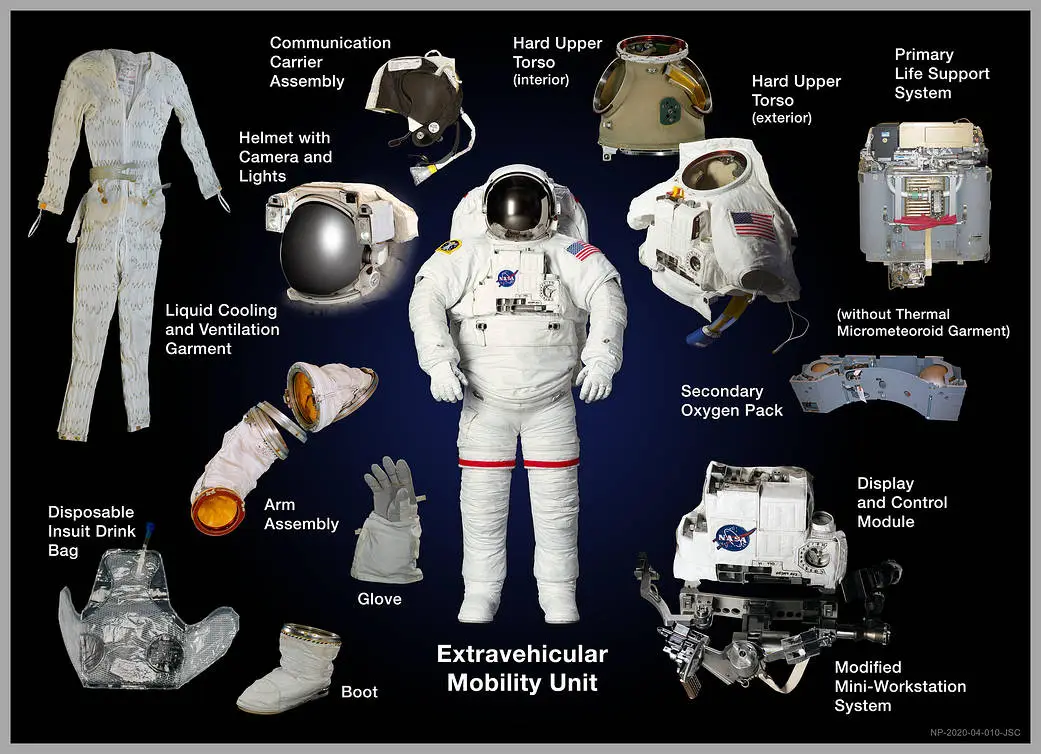
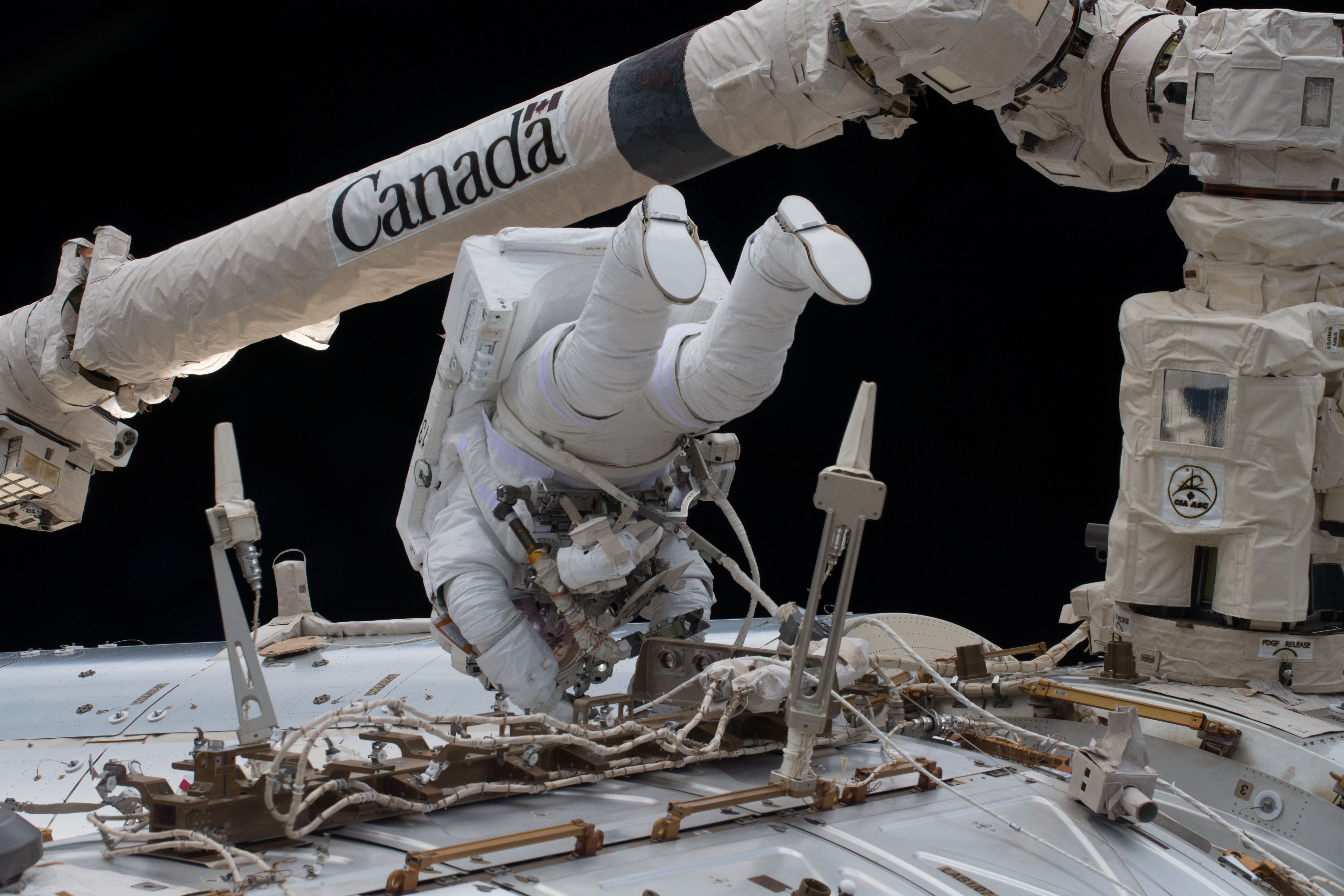
Full lifecycle management of spacesuit hardware and flight components. EMU sustaining engineering, xEVAS next-generation spacesuit development, real-time MER console operations during every ISS spacewalk, crew training support, and flight hardware readiness certification. Bond room operations and configuration management spanning both Amentum JETS-II and Collins ESOC contracts.
ISS Life Support & Subsystems
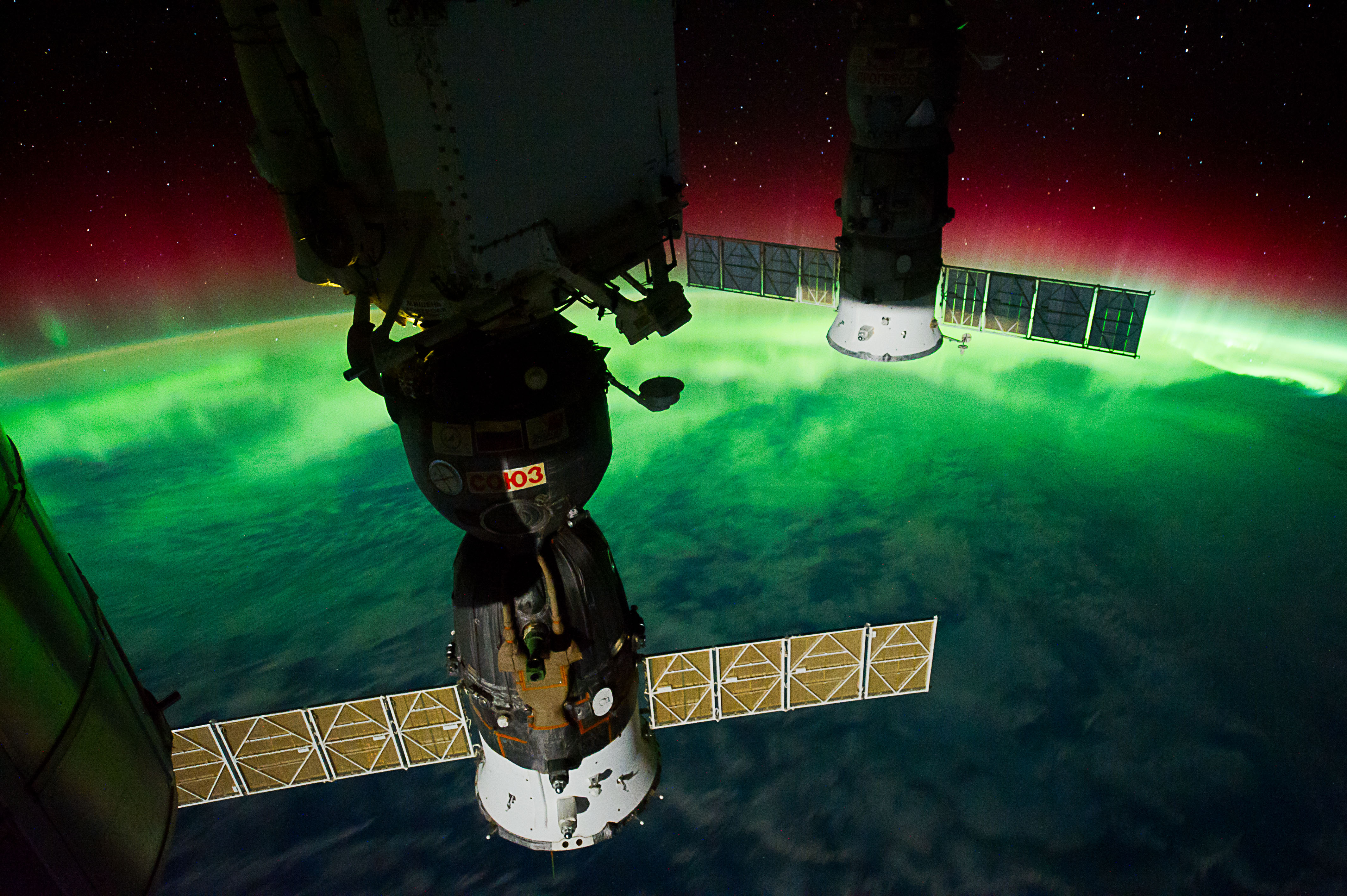
Subsystem ownership of the systems that keep astronauts alive: ECLSS environmental control, CDRA carbon dioxide removal, UPA water recovery, Caution and Warning systems, Crew Health Care System medical hardware, Command and Data Handling MDMs, and power distribution. From anomaly investigation through root cause analysis to corrective action and return to operations.
Exploration & Next-Generation Programs
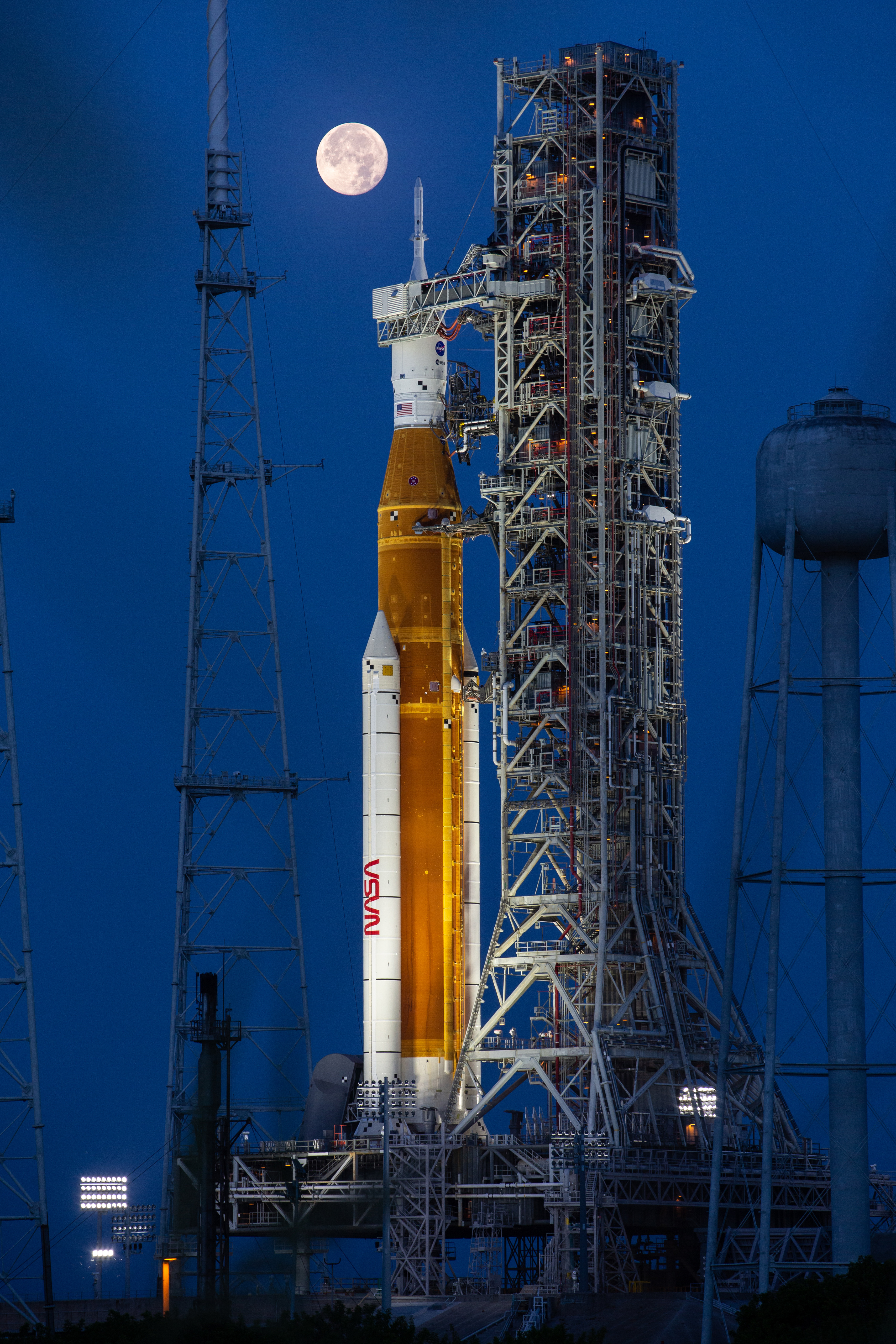
Active contributions to programs extending human presence beyond low-Earth orbit. Gateway HALO module systems engineering and Computer Human Interface development. Orion spacecraft avionics and display systems for Artemis I through VIII. Exploration life support systems for long-duration missions. ISS-to-Exploration transition planning and digital engineering transformation.
Flight Operations & Decision Support
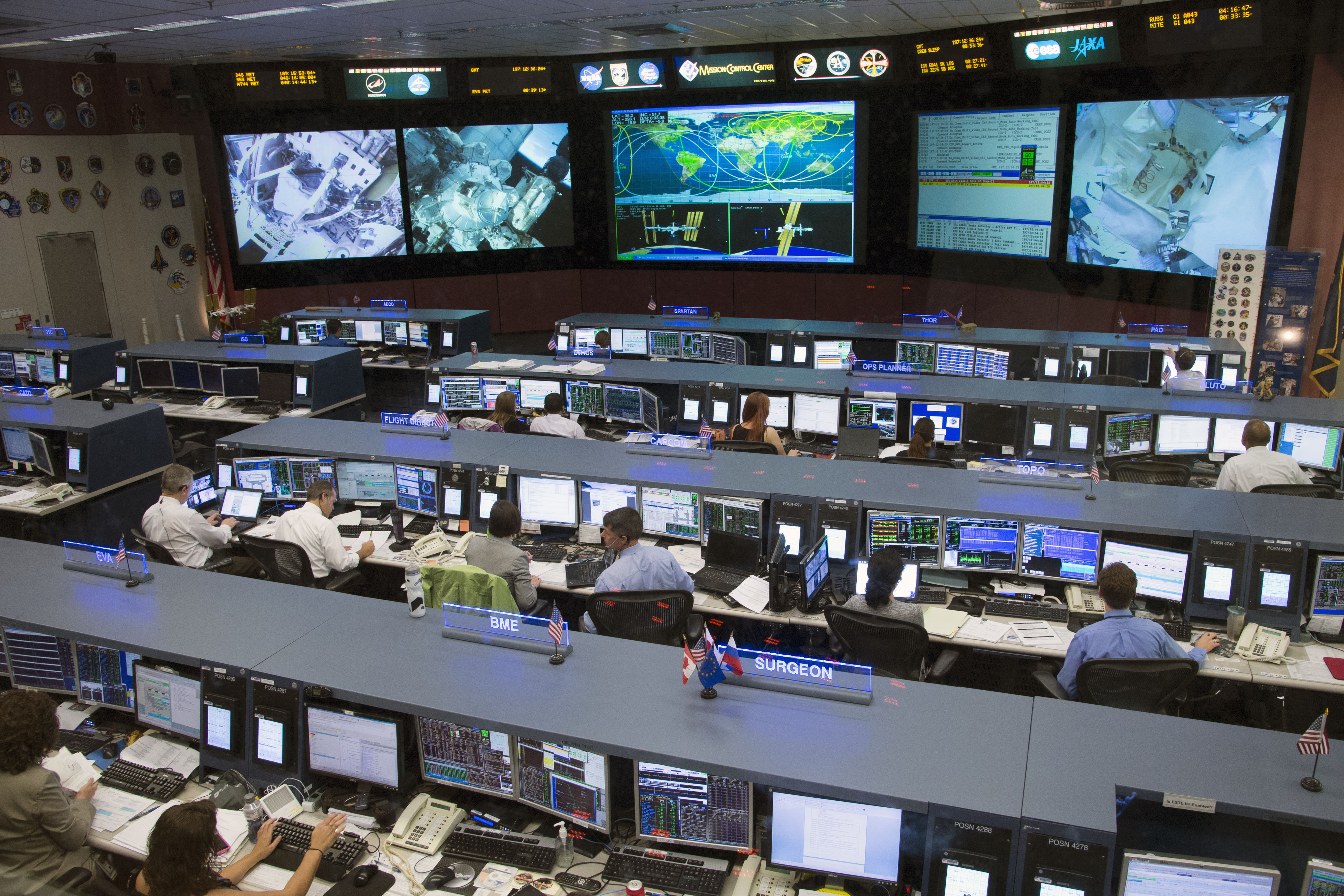
Cloud-native platforms operating inside NASA's Flight Operations Directorate, supporting mission-critical decision making for ISS operations and Artemis campaigns. Luna Platform AI agents providing real-time data synthesis for Flight Readiness Reviews and frontier AI access for mission analysis. COSMIC managing hardware safety data across multiple programs.
Safety, Quality & Mission Assurance
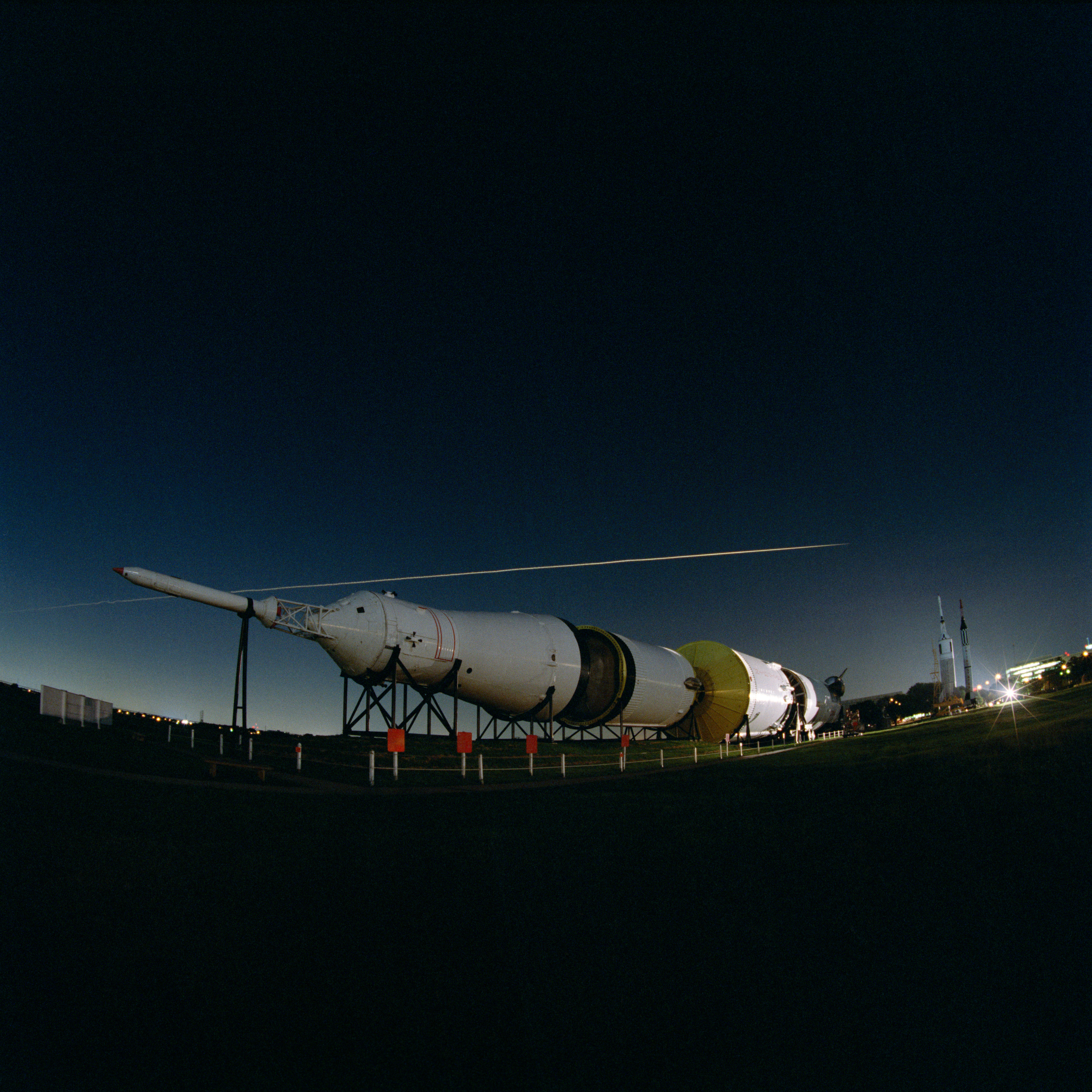
Flight hardware quality processes to AS9100 and NASA-STD-5009 standards. Hazard analysis and risk assessment, Material Review Board support, non-conformance resolution, calibration management and metrology. Space Flight Awareness program participation. Process improvement through Lean/Six Sigma methodologies and continuous compliance monitoring.
Science & Technical Information
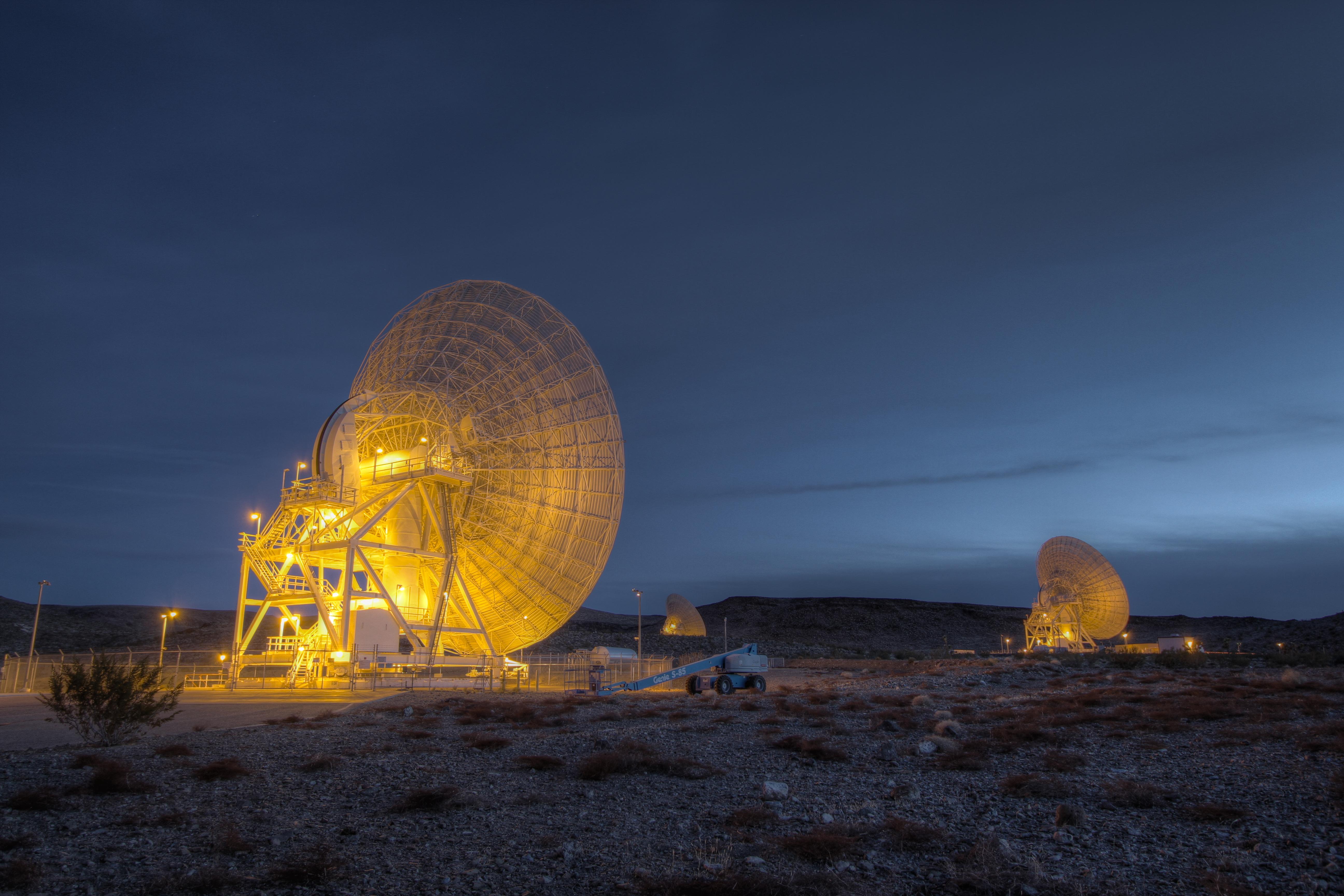
Modernizing how NASA disseminates its most valuable knowledge assets. Peer-review submission, approval, curation, and public access systems serving the global research community at scale. NTRS serving 50M+ API requests monthly. STRIVES enabling the scientific publication pipeline that makes NASA research accessible worldwide.
Security, Compliance & Supply Chain
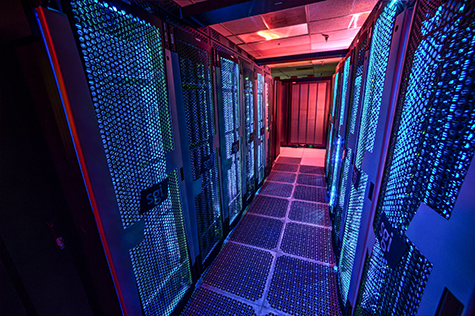
MRI operates a continuous security program across NASA's cloud-native infrastructure. Our vulnerability management system tracks and remediates CVEs across hundreds of container images and multiple Kubernetes clusters in real time. We partner with Chainguard to maintain zero-CVE base images for production workloads, reducing the attack surface at the supply chain level before code is ever deployed.
MRI holds ISO 9001:2015 and AS9100D certifications and operates under NIST 800-171 security controls for CUI/ITAR environments. Our security posture extends beyond compliance checkboxes to active, measurable operations: automated scanning, SLA-driven remediation, and AI-powered security analysis tools that enable natural language interrogation of vulnerability data across the entire fleet.
Industry Leaders Invest Alongside NASA
Major cloud providers, security leaders, and aerospace primes invest alongside NASA in the systems MRI builds, expanding capabilities and accelerating delivery.
NASA Prime Contractors
Cloud & Infrastructure
Supply Chain Security
These partnerships go beyond vendor relationships. Multiple partners have made direct financial and technical contributions to expand the capabilities of the NASA systems MRI develops and sustains, driving commercial interest back into NASA's ecosystem.
Build With Us
NASA Programs: Partner with a team embedded across NASA for 38+ years.
Commercial & Government Partners: Access institutional spaceflight knowledge and modern platform capabilities for your most demanding environments.
Engineers & Technologists: Small team, big work, real missions.
Collaborators: Let's work together to dare mighty things and go after new opportunities to create more mission impact.